
Cheshire East's Q1 forecast balances only after spending all £24.995m of emergency government support, and its finance officer calls the assurance qualified.
Cheshire East Council’s first-quarter forecast reports a balanced budget. The council’s own statutory finance officer says that position holds only because every pound of the £24.995m in emergency government support is being spent. Without it, the council is £25m short.
Cabinet meets in Crewe on Thursday 3 September to consider the first-quarter forecast for 2026/27. (Cabinet agenda, 3 September 2026, item 7)
The support is called Exceptional Financial Support, and it takes the form of a capitalisation direction. In plain terms, the Government lets the council treat day-to-day running costs as capital spending, which it can borrow against. It is a permission to defer the problem, not extra money.
The Section 151 officer will not give unqualified assurance
The report carries an assurance assessment from the Executive Director of Resources, the statutory finance officer. It does not read like a council in the clear.
The forecast, it says, “is balanced, but only after the planned application of £24.995m of conditional Exceptional Financial Support and significant use of Transformation and General Contingency budgets. It therefore does not demonstrate that the Council’s underlying financial position is yet sustainable.”
The assessment goes further: “my assurance is qualified”, and “the underlying deterioration in several areas requires active intervention now”. (2026/27 Budget, Quarter 1 Forecast Outturn, paragraphs 20 to 23)
The council also remains under a revised non-statutory Best Value Notice. The report says the Ministry of Housing, Communities and Local Government has recognised early improvement but “continues to require significant further assurance”.
Reserves are falling, and the council calls them insufficient
Total usable reserves stood at £28.520m on 1 April 2026. They are forecast to fall to £27.188m by 31 March 2027.
The General Fund Reserve, the emergency pot, is forecast to rise from £7.789m to £11.328m. The report is candid about why that is less good than it looks: the increase “largely represents a transfer from earmarked reserves rather than growth in the Council’s overall resources”.
On the total, the report repeats the judgement made when the budget was set in February: “the overall level of reserves held by the Council remains insufficient”.
The schools deficit is the number that dwarfs everything else
The Dedicated Schools Grant deficit, driven by special educational needs spending, is on a different scale to the rest of the council’s finances.
The deficit brought forward on 1 April was £155.943m. The budgeted deficit for this year adds £46.995m. That gives a mitigated cumulative forecast of £202.938m by next March.
The report names the causes: more Education, Health and Care Plan placements, higher average costs per placement, and high place funding in further education colleges. An update on the SEND Reform Plan is on hold until the Department for Education responds formally to the council’s submission.
Where the pressure is showing this year
Five areas are forecasting overspends at the end of June:
| Portfolio | Adverse variance |
|---|---|
| Children’s Services | £1.978m |
| Central budgets | £1.594m |
| Adult Social Care | £0.352m |
| Finance, Legal and Enforcement | £0.262m |
| Highways and Transport | £0.099m |
The Children’s Services figure has a cause that touches this end of the borough. The council budgeted £2.100m of savings from a supported accommodation project for 16 to 25 year olds. It now expects £1.000m. The reason given is blunt: the council received no bids at all for its Lot 3 tender, “creating a gap in the post 18 supported accommodation offer in North Cheshire East”, the northern part of the borough that includes Macclesfield.
A second project, Edge of Care for nought to ten year olds, was due to start earlier and is now expected to begin in October. That accounts for a further £0.512m. Together the two are a £1.612m shortfall against a £12.347m transformation savings target.
Central budgets are under pressure for two reasons: a capital receipts forecast £3.719m lower than budgeted, and £2.897m of extra finance charges. Borrowing costs to the end of June came in at £4.677m against a budget of £3.664m, because interest rates did not fall as the council assumed they would.
The asset sale list is not being published
The capital receipts shortfall matters because the council is banking on selling property. The Q1 forecast for capital receipts is £11.000m against a disposals budget of £15.000m.
On the same agenda, Cabinet is asked to approve a faster three-year disposal programme, run by external legal and property firms procured through the Bloom Framework. (Capital Disposal Programme 2026-2029: Revised Approach)
Two things in that report are worth noting.
The list of assets to be sold, Appendix A, is exempt from publication under paragraph 3 of Part 1 of Schedule 12A of the Local Government Act 1972. Residents will not be told in advance which buildings in their town are on it.
And the report asks Cabinet to stop requiring each sale above £500,000 to come back to Cabinet. Instead the Executive Director of Place would market, negotiate and complete each disposal, in consultation with the Director of Law and Governance, the Section 151 officer and two portfolio holders. The council’s duty to obtain best consideration under Section 123 of the same Act still applies.
What it means for you
Your council tax for this year is already set and is not affected by this report. The bill you are paying was agreed in February, and it included the plan to use the £24.995m.
What this report shapes is next year. Exceptional Financial Support is borrowing against day-to-day spending, and it has to be serviced later. The council is also carrying £23.970m of outstanding sundry debt as at 30 June, up from £21.167m in March, and £15.517m of that is more than six months old.
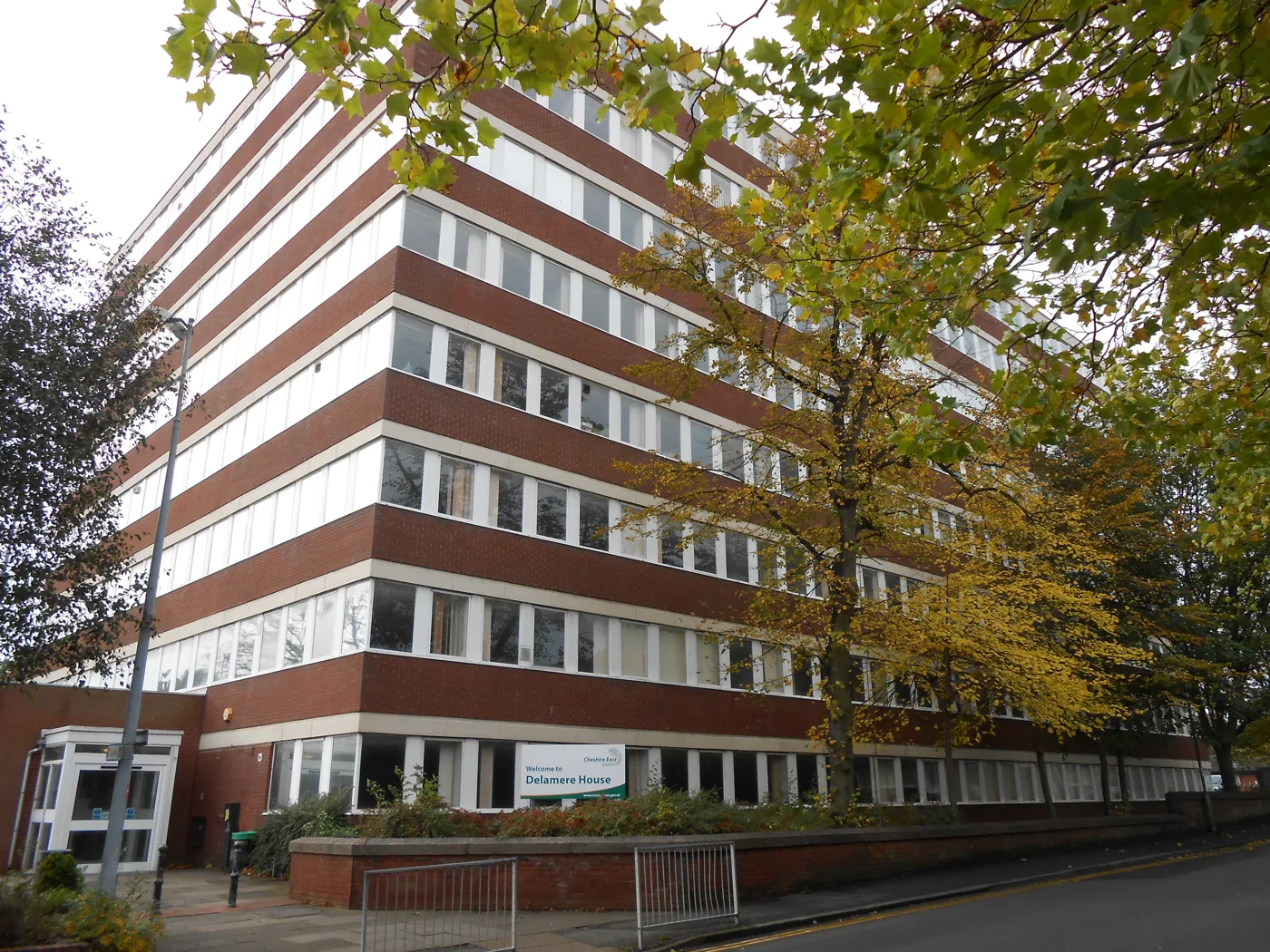
If you want to raise something, Thursday’s meeting has a public speaking session and the papers are all published in advance. It starts at 10.30am at Delamere House, Delamere Street, Crewe.
Our Macclesfield council tax bands page sets out what each band costs in this part of the borough, and our Macclesfield planning news page tracks the decisions coming through the same council.
Have your say